
About This Trek
The Upper Mustang Trek takes you into one of the most extraordinary and enigmatic places on earth — the ancient Kingdom of Lo, known as the "Forbidden Kingdom," which was only opened to foreign trekkers in 1992. This restricted region sits on a high Tibetan plateau, completely shielded from the monsoon by the Annapurna and Dhaulagiri ranges.
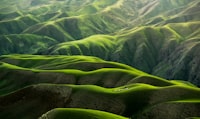
Unlike most Himalayan treks, Upper Mustang feels more like stepping into medieval Tibet than trekking through Nepal. The wind-carved ochre and red canyon formations, ancient cave monasteries carved into cliff faces, whitewashed villages with red-roofed gompa, and the walled city of Lo Manthang — the capital of the ancient kingdom — create an otherworldly landscape unlike anywhere else.
Because it lies in a rain shadow, this is also one of the few treks in Nepal that is feasible during the monsoon season (June–August) — making it a unique year-round destination.
Detailed Itinerary
Day 1: Kathmandu to Pokhara (820m)
Drive or fly to Pokhara. Afternoon briefing, permit collection, and final gear preparation. Overnight in Pokhara.
Day 2: Fly Pokhara to Jomsom (2,720m) & Trek to Kagbeni (2,810m)
Dramatic 20-minute mountain flight to Jomsom over the Kali Gandaki gorge. Trek north through the valley to the enchanting medieval village of Kagbeni — the entry gate to Upper Mustang.
Day 3: Kagbeni to Chele (3,050m)
Cross into the restricted Upper Mustang area and enter a completely different world. The landscape transitions from green river valley to stark, windswept canyon terrain. Trek past eroded cliff faces and ancient mani walls.
Day 4: Chele to Syangboche (3,800m)
Climb through a spectacular series of ridges and passes, each revealing new dramatic canyon panoramas. The wind can be ferocious in the afternoon — typical Mustang weather. Views of the main Himalayan range appear dramatically to the south.
Day 5: Syangboche to Ghami (3,520m)
Cross the Nyi La Pass (4,010m) and descend to Ghami. Visit the famous long mani wall — one of the longest in Nepal. The village has excellent ancient murals and a 15th-century monastery.
Day 6: Ghami to Tsarang (3,660m)
Trek past dramatic red-layered cliffs to Tsarang, home to the impressive 5-storey Tsarang Dzong (fort) and Tibetan-style monastery. Explore the ancient library housing rare Tibetan manuscripts.
Day 7: Tsarang to Lo Manthang (3,840m)
Arrive at the walled city of Lo Manthang — the ancient capital of the Kingdom of Mustang. The sight of its whitewashed walls rising from the plateau is unforgettable. Check in and explore the city.
Day 8: Lo Manthang Exploration Day
Full day to explore this extraordinary walled city. Visit the Royal Palace, four ancient monasteries (Jampa, Thubchen, Chyodi, and Chchode), and the living museum of Tibetan Buddhist culture. Optional hike to nearby sky caves and ancient cliff dwellings.
Day 9: Lo Manthang to Drakmar (3,810m) via Lo Gekar
Alternative return route via the ancient Lo Gekar Monastery — one of the oldest in Mustang, predating the famous Samye Monastery in Tibet. Marvel at the Drakmar's dramatic red cliffs.
Day 10: Drakmar to Ghami (3,520m)
Descend past Chosar cave complex — remarkable ancient Buddhist cliff-face caves with frescoes. Continue to Ghami through the surreal wind-eroded badlands landscape.
Day 11: Ghami to Muktinath (3,800m) via Charang
Cross high passes and descend to the sacred pilgrimage site of Muktinath — holy to both Hindus and Buddhists. Visit the famous temple with its eternal flame and 108 water spouts.
Day 12: Muktinath to Jomsom (2,720m)
Descend through the Kali Gandaki Valley to Jomsom. The wind picks up dramatically in the afternoon — this is the world's deepest valley between Annapurna and Dhaulagiri. Celebrate in Jomsom.
Day 13: Fly Jomsom to Pokhara & Drive to Kathmandu
Early morning flight back to Pokhara before the afternoon winds ground all flights. Drive or fly to Kathmandu for your celebration dinner.
Trek Highlights
What's Included
Best Time to Trek
🌸 Spring (Mar – May)
Excellent visibility, wildflowers at lower elevations, pleasant temperatures. One of the two best seasons.
🌧 Monsoon (Jun – Aug)
Unique advantage: Upper Mustang is in a rain shadow. Dry and clear when the rest of Nepal is wet — ideal for those who can't visit in peak season.
🍂 Autumn (Sep – Nov)
Crystal clear skies, sharp mountain views, and the Tiji Festival takes place in May — worth timing your trip around if possible.
❄️ Winter (Dec – Feb)
Cold but possible. The high passes may have snow but the main trail is generally accessible. Limited teahouse availability — some close for winter.
Important Notes
Special Permit Cost: The Upper Mustang Restricted Area Permit costs USD $500 for the first 10 days, plus $50 per additional day. This is included in our package price.
Mandatory Guide: A licensed Nepali guide is legally required. Solo or guideless trekking is strictly prohibited in Upper Mustang.
Photography: Always ask permission before photographing local people or inside monasteries. Some sacred sites prohibit photography entirely.
Wind: Upper Mustang is extremely windy, especially in the afternoons. Windproof layers and sunglasses are essential. Jomsom flights are only possible in the early morning before winds intensify.
Cultural Sensitivity: Upper Mustang is a deeply conservative Buddhist region. Dress modestly, always walk clockwise around chortens and mani walls, and remove shoes before entering temples.